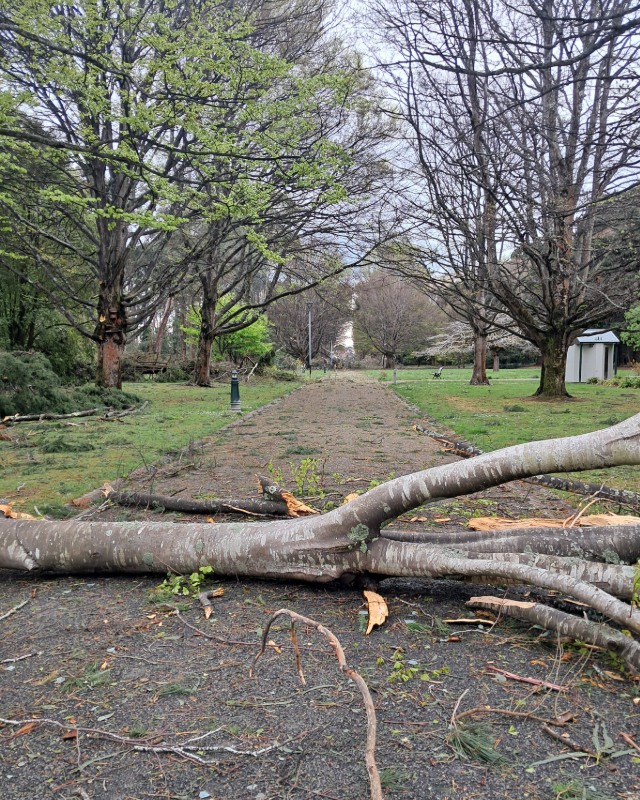
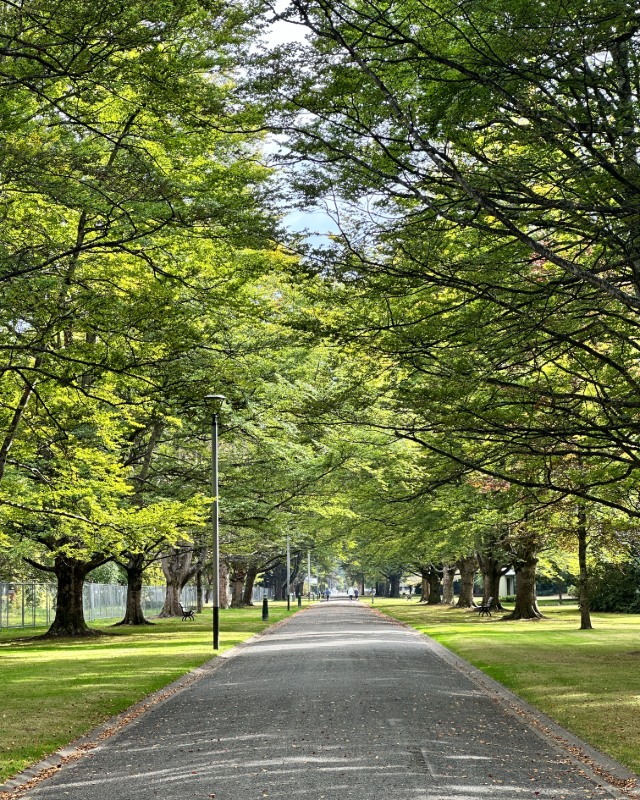
The recovery effort at Queens Park was carried out in stages, with small sections reopening in November and the bulk of the park reopening at the end of January 2026.
Invercargill Mayor Tom Campbell said the commitment and determination of staff and contractors during the recovery was inspiring.
“The emotional attachment that Council staff clearly feel towards our parks is extraordinary. I will never forget their tears at seeing the damage from the storm, but also their determination to bring our parks back,” he said.
Rain said a significant lesson from the recovery was the sheer scale and complexity of managing trees following an extreme weather event.
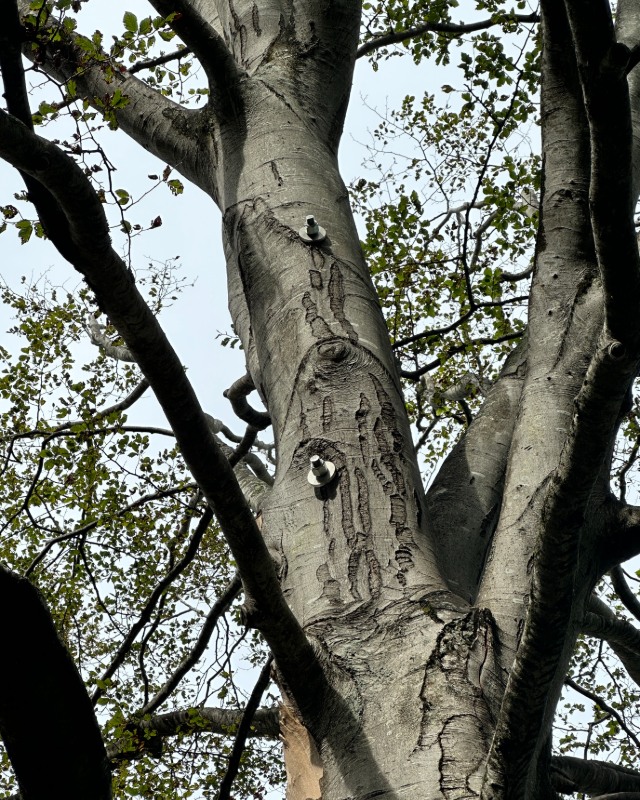
“The immediate priority was public safety, but making our parks safe again was not simply a matter of picking up what had blown over. In Queens Park in particular, we had arborists scaling trees with chainsaws, and woodchippers and heavy machinery operating in multiple areas.
“The recovery involved a sustained effort by both Council staff and contractors over many months.
“It was thanks to these efforts that we could reopen many of our parks and reserves much sooner than we initially anticipated,” she said.
More than 630 trees were climbed and pruned by arborists and over 1000 trees were removed from green spaces across the city.
A further 60 trees were felled in July 2026, including some of the oldest and largest trees in the Town Belt, following a decision by Councillors to remove them for safety reasons highlighted by October’s storm.
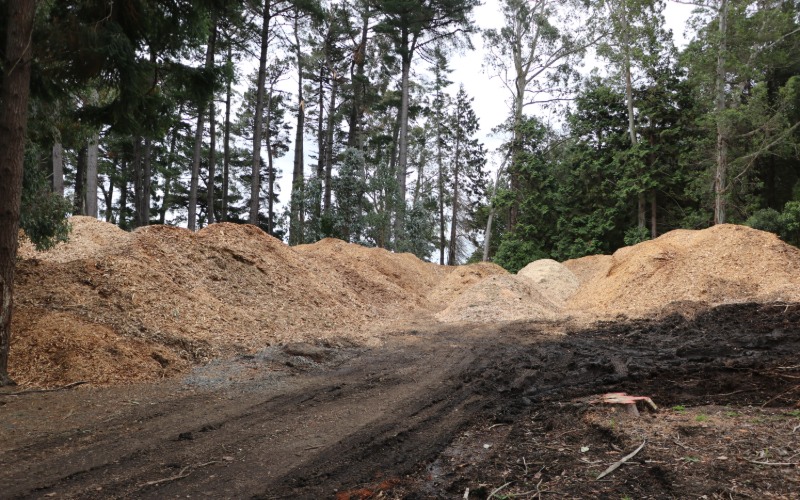
The removal of storm-damaged trees generated 1,200 tonnes of excess wood and saleable logs, as well as large piles of mulched woodchips, which were being used in gardens across Council’s parks and reserves. Some of the excess wood was distributed as firewood to community groups, including Makerewa Lions Club and Awarua Whānau Services.