

Bird flu
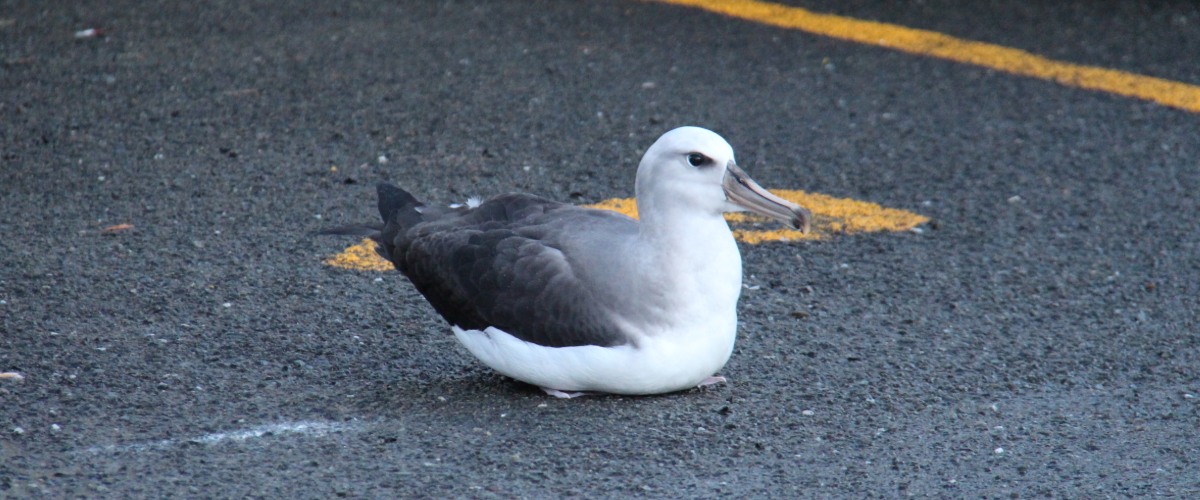
If you spot three or more sick or dead wild birds found together:
- Report sightings
- Provide as much detail as possible
- Do not handle or move the birds
Call the MPI exotic pest and disease hotline: 0800 809 966
H5N1 bird flu is a seasonal, contagious virus that primarily affects wild and domestic birds, but can affect marine mammals, companion animals and livestock.
H5 bird flu has been detected in individual wild birds in the Wellington region. There are currently no confirmed cases in Southland or elsewhere in the South Island, and the current H5 bird flu risk level for all areas of New Zealand is low.
Understanding bird flu
Bird flu (also called avian influenza or HPAI) is a virus that mostly affects birds. It spreads easily between birds, especially those that gather in groups. Overseas, it has caused serious outbreaks in wild bird populations, and Heard Island, off the coast of Australia, has been affected by an outbreak in a sea lion colony.
Further information about bird flu is available on the Ministry for Primary Industries website.
What you should do if you find sick or dead wild birds
If you find sick or dead wild birds:
- Keep your distance. Do not touch sick or dead wild birds.
- Keep children, pets and livestock away.
- Keep clean. Wash your hands and clean footwear and equipment after being in areas where wild birds gather.
- Know when to report. Report three or more sick or dead wild birds found together to MPI on 0800 80 99 66 or through the MPI online reporting form.
- Take photographs only from a safe distance.
When reporting birds, provide the location, the number and type of birds, and photographs or video if you can do so safely. MPI prioritises reports based on factors including the number and species of birds and where they are found.
More information is available on the Environment Southland website.
Disposal of dead birds
Leaving the bird in place is normally the safest option.
A dead bird will break down naturally, and leaving it alone reduces unnecessary handling and the risk of spreading disease. Keep children, pets and livestock away.
Only consider moving a dead bird if leaving it in place is likely to create a greater problem, such as where people or animals may touch it, or where it is in or near drinking water, stock feed or another sensitive area.
Further information about what to do if you need to dispose of a dead bird in Southland is available on the Environment Southland website.
Further information about bird flu is available on the Environment Southland website.
